
Author: Alan Manly OAM
December 2025
As a dedicated follower of The Koala News, I read with great interest the recent article by Melanie Duncan, titled A new regulatory risk and quality framework: the result of uncomfortable conversations about accountability, governance and integrity.
One quote from TEQSA CEO Dr Mary Russell stood out to me immediately. “It’s all about managing risk – just count how many times I’ve mentioned the word ‘risk’ in this article!!!”
Challenge accepted. The answer is 15 times.
But as a Principal Executive Officer (PEO) of a TEQSA-registered institution, what might be of even greater interest is how many times the word evidence was used. According to Dr Russell’s presentation at the TEQSA Conference 2025 – From compliance to confidence: Trust, transparency and regulatory strategy – the word “evidence” appeared no fewer than 7 times.
So, if the presentation is anything to go by, evidence remains the core currency of regulatory compliance.
Let’s take a closer look.
Dr Russell’s presentation offered six clear statements about TEQSA’s evolving approach to regulation. Here’s what they said, and what a PEO might read between the lines.
Less documentary evidence needed to demonstrate regulatory compliance. Comment: Be grateful.
More attention paid to individual provider self-assurance statements that combine quantitative data with nuanced, qualitative commentary to identify their risks and challenges. Comment: Surely quantitative data is evidence.
Documentary evidence will link with individual provider circumstances and provide insights on how the individual provider manages risk and assures quality. Comment: Yep, that’s evidence.
Documentary evidence is curated by the individual provider to provide confidence to TEQSA that they understand the environment they operate in and are aware and upfront in identifying risk and opportunities for improvement. Comment: Yep, still evidence.
Rather than ask for the same set of documentary evidence for each provider, TEQSA will ask targeted questions based on their knowledge of individual provider circumstances. Comment: That’s individual documentary evidence.
No more standard Confirmed Evidence Tables. Comment: Seemingly unique Evidence Tables instead.
TEQSA may say they’re asking for less documentary evidence, but when the rubber hits the road, they’re still asking for evidence, and it needs to be specific, relevant, and credible. That’s five out of five.
So, what counts as evidence?
According to dictionary.com, evidence is:
“That which tends to prove or disprove something; ground for belief; proof.”
From a regulatory perspective, that’s not just any documentation, it’s documentation that proves what you’re saying. Evidence that can be tested. Evidence that can be cross-referenced. Evidence that stands up, not only in front of TEQSA but in front of “the uninitiated”, whoever they may be.
The takeaway for the PEO
When it comes to regulation, evidence still wins.
Dr Russell’s words might have suggested a lighter documentary burden, but a close reading shows that the emphasis has shifted, not disappeared. The onus is now on the provider to present thoughtful, well-curated, and contextually appropriate evidence that tells a story of compliance, self-awareness, and continuous improvement.
If the goal is to move “from compliance to confidence,” then let the confidence come from clear, consistent evidence.
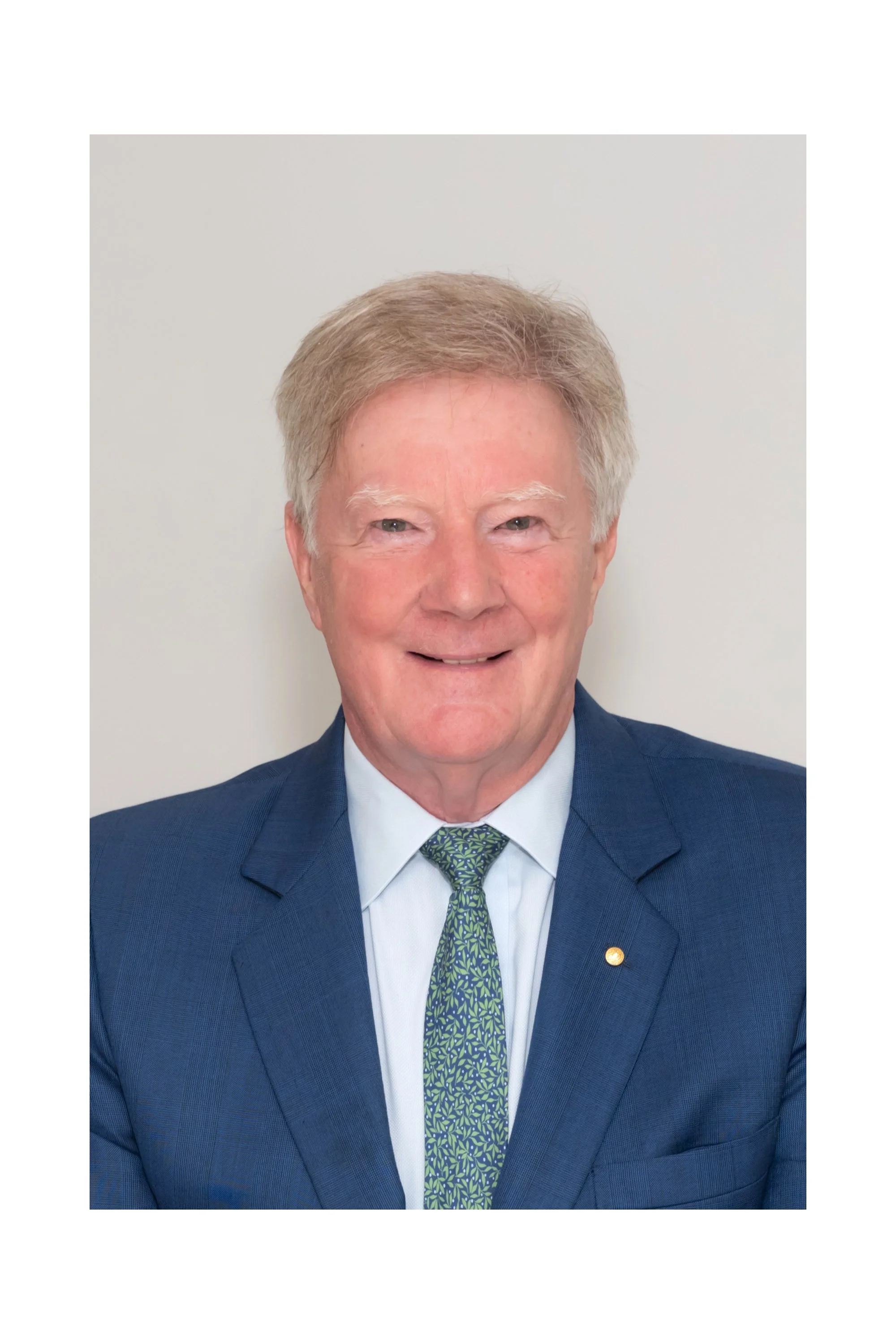
Alan Manly OAM is a distinguished entrepreneur, innovator, director, and author with decades of experience in technology and education. He has held directorships in private, public, and non-profit sectors. He was the CEO and PEO of RTOs and Higher Education Institutions for over twenty years.