
Diarise or Die
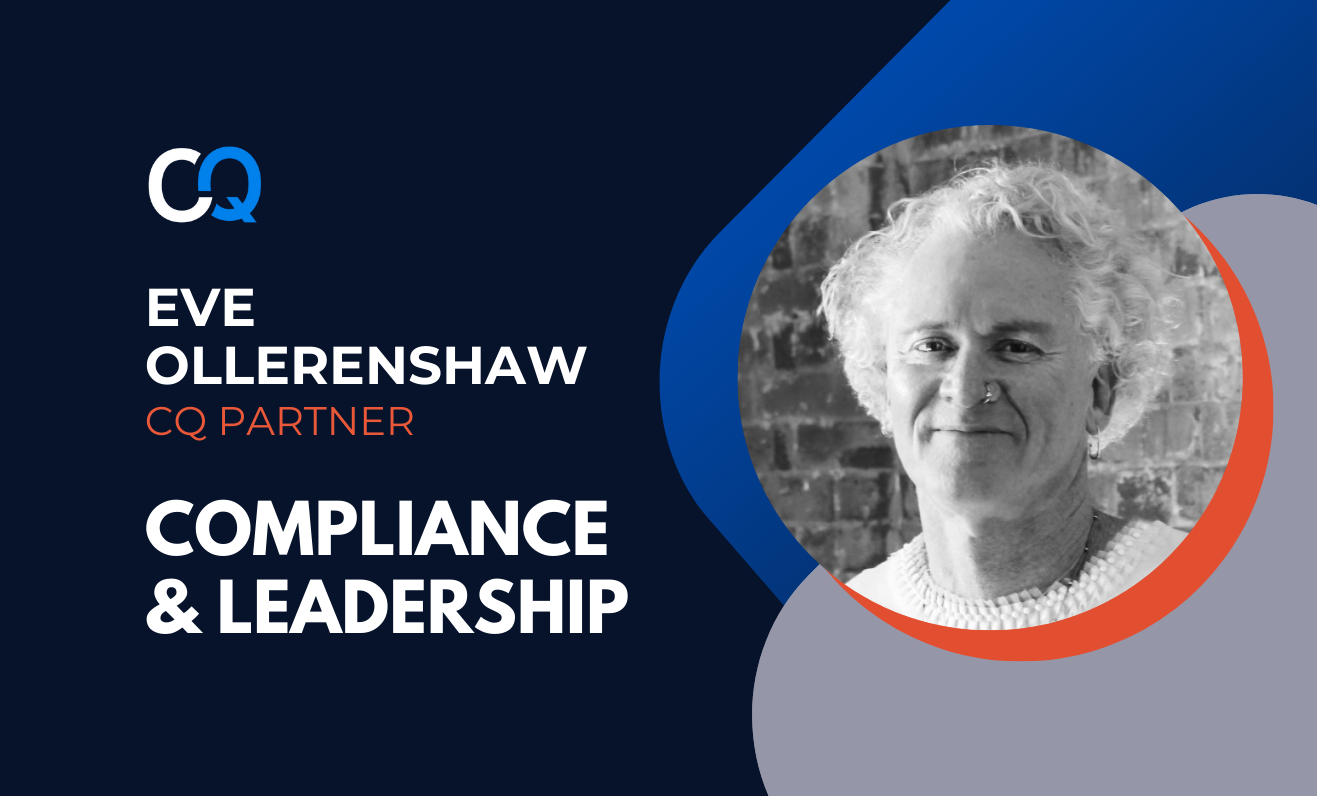
Author: Eve Ollerenshaw
January 2026
I have always lived and worked by the motto of ‘diarise or die’. Believing that it is critical to retain evidence of transactions and transactional outcomes to ensure integrity.
As a consultant it has kept my clients out of trouble on more than one occasion and quickly resolved numerous issues perceived by regulators.
In todays world the diary has been replaced with a suite of policies and procedures, handbooks, frameworks and manuals (increasingly required by regulators). Supported by electronic platforms that capture the associated actions and outcomes.
But the principle is still the same.
In working with education providers across the tertiary sector the one thing that is consistent from a risk perspective is how data. Is managed. Be that gathering, storing, sorting, securing. But mostly critically is the fact that most data is never actually used. Data offers a critical value that to often organisations missing out on.
It is critical for business success to understand what is right and why, or what is wrong and why. For this you require evidence, i.e. data. The great thing in todays world is that we don’t need to troll through pages and pages of handwritten notes, or fill in the gaps created by staff turnover.
Setting systems up in a manner that is beneficial to the business, cost neutral (at worst) and keeps the wolves at bay is a one project process using a consultant such that benchmarking and best practice can be ensured. Then its a case of ongoing self-assurance and continuous improvement, monitored by an external audit every couple of years.
Technology will gather the evidence for us and based on our requests it will filter and analyse for us. Human error and personal bias is taken out of the equation. This is where the procedural documents and guidance notes come into play. These are increasingly technical documents providing frameworks for operation. They not only explain how to do things, but also why and to what effect. Procedural documents can be in the form of code synced with or embedded into a software platform or product.
One example of where this works to great success is invigilatorPlus.
No more do we need to rely upon human observations, faulty memories, or busy minds to see what is happening in an assessment or exam. The software will do this for us. Super fast and super accurately. The software can manage as many tasks as we require of it. It doesn’t get tired or have too go home at the end of the day.
The data speaks more loudly and more affirmatively than any human (teacher or invigilator) can. Evidence can be checked and rechecked using various algorithms, allowing deeper or broader insights as required.
Furthermore, the work of IT platforms and software programs is more substantive than the old human techniques we have applied for ions and ions. The evidence is irrefutable.
Bingo! We have the new ‘diarise or die’ approach and it saves us again and again and again.
What’s more, we learn from the data and the stories it tells. We develop more detailed and more expansive procedures (code) allowing the learning to adjust and improve assessments. It shows us where and how we can improve our teaching and learning resources and even how we directly engage with students.
And guess what? These sorts of platforms and programs actually reduce operational costs and reduce time lost to regulatory audits.
Win, win!
Eve Ollerenshaw is Principal Consultant at Ollerenshaw Consulting with more than 40 years’ experience in education leadership and consulting. She specialises in leadership, workforce planning, regulatory compliance, and sustainable practices across the tertiary, government, and corporate sectors.